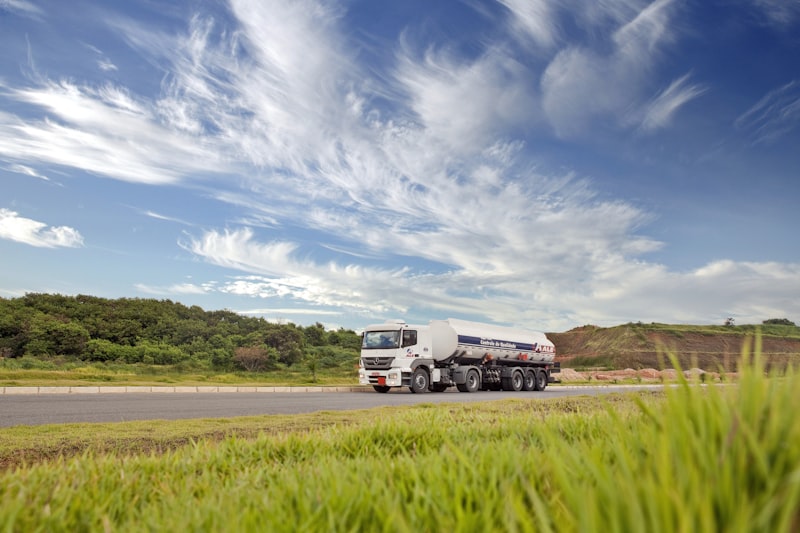
Key information for road & rail operators
Fleet Efficiency
Large transport fleets consume significant volumes of fuel. Even small improvements in combustion efficiency translate to substantial cost savings and reduced emissions across thousands of vehicles and routes.
Emissions Standards
Euro 6/VII standards and clean air zones are driving the need for cleaner combustion. Fuel conditioning helps meet these targets without costly engine modifications, reducing NOx, particulates, and CO₂ output.
Maintenance Reduction
Poor fuel quality accelerates wear on injectors, filters, and DPF systems. Effective fuel conditioning reduces maintenance intervals, extends component life, and minimises unplanned vehicle downtime.
TRANSPORT FUEL TYPE
Fuel Type - Biofuel
Biofuels are increasingly adopted in transport fleets to meet sustainability targets. Yet their variability and sensitivity to contamination can affect engine performance and fuel system integrity. Aderco's conditioners ensure consistent combustion and cleaner operation.
Inconsistent fuel quality
Inconsistent fuel quality due to feedstock variability
Microbial growth
Microbial growth and water contamination
Oxidation and degradation
Oxidation and degradation during storage
Aderco Product Benefits
- Stabilises fuel for consistent combustion and separates water
- Prevents microbial growth and sludge formation
- Enhances lubricity and protects fuel system components
- Reduces emissions and supports ESG goals
- Compatible with all diesel engines
TRANSPORT FUEL TYPE
Fuel Type - Diesel
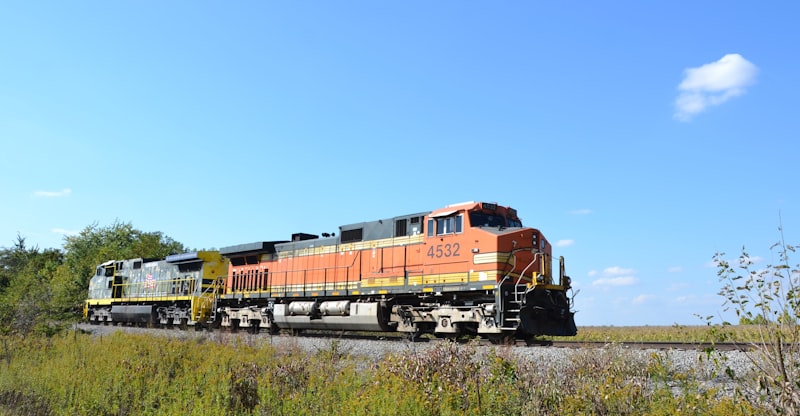
Diesel remains the dominant fuel for road and rail transport, powering everything from freight trains to delivery fleets. However, contamination, poor combustion, and wear can reduce efficiency and increase maintenance costs.
Incomplete combustion
Incomplete combustion and carbon deposits
Water contamination
Water contamination and microbial growth
Low lubricity
Low lubricity causing injector wear
Aderco Product Benefits
- Improves combustion and fuel efficiency
- Prevents microbial growth and water-related issues
- Restores lubricity and protects fuel system parts
- Reduces maintenance and downtime
- Supports cleaner emissions